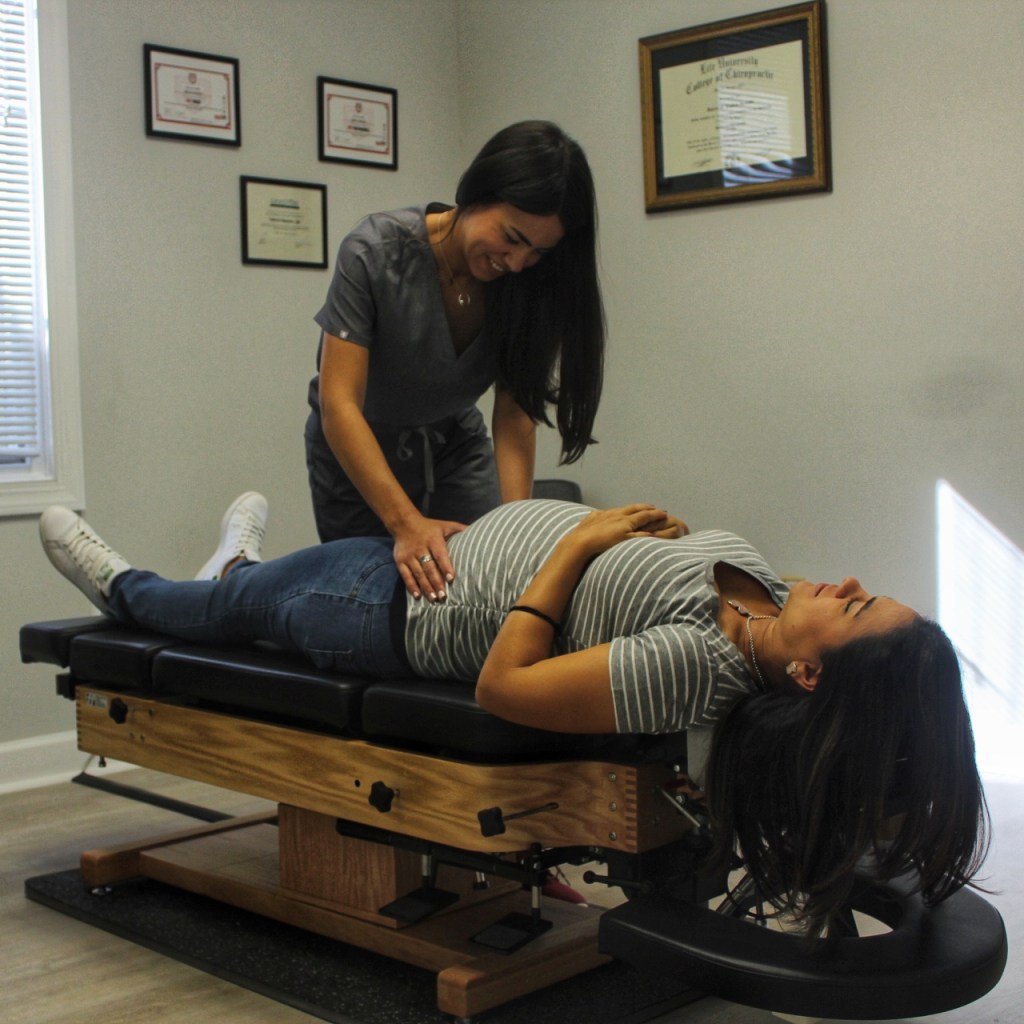
In the second and third trimesters, moms begin to prepare for the arrival of their baby. During this time you may experience tiredness and discomfort. It is important to find out how to prepare your body for that moment. Then you will be prepared for your delivery and recovery from childbirth. Here is some information to help you relieve symptoms and prepare your body.
Second and third trimester
The third trimester is a physical and emotional challenge. Your body is going through big changes and it is important to understand and prepare your body for them. As your baby grows and begins to have more movement, you start to experience symptoms. For some moms these symptoms begin in the second trimester and for others they arrive in the third trimester. Some of these symptoms are: Braxton Hicks contractions, back pain, shortness of breath, heartburn, hemorrhoids, and need to urinate often among others. Braxton Hicks contractions are mild and irregular, like a slight tension in the abdomen. These usually occur in the afternoon or after some physical activity. Many new moms mistake them with labor contractions. During pregnancy, your body produces more relaxing hormones, this consequently makes your muscles and ligaments more relaxed, sometimes this creates rotation in the pelvic area causing pressure on your lower back, causing back pain and sometimes the pain can travel to your legs. Shortness of breath is often caused by the baby’s weight and the mother’s fatigue. It is important that you have good posture and take time during the day to rest, in this way you will be able to breathe better. Pregnancy hormones that relax the valve between the stomach and the esophagus can allow stomach acid to back up into the esophagus and cause heartburn. To prevent heartburn, eat small amounts, frequent meals and avoid fried foods, citrus fruits, chocolate, and spicy foods.
Prepared your body for labor
The closer your due date approaches, the more your nerves and anxiety increase, especially if it is your first delivery. How much will it hurt? How long will it last? How will I feel? This is a time to consider attending childbirth classes. In the childbirth classes you will learn what to expect and you will meet other moms that are having the same emotions and concerns that you have. Talk to other people who have had positive birth experiences.
Between week 28-32 your baby will begin to settle his head in the pelvis. If by week 36 the baby has not taken this position, it is considered a breech. There are different types of breech, these are: complete breech, jogging or incomplete breech and frank breech. If this is your case, there are different things you can do to help your baby change position. You can do exercises like knee chest position, breech tilt or elephant walking. These are some of the exercises you can do to help your baby change position. You can also visit your chiropractor. Your chiropractor can adjust your pelvic area and do the Webster Technique. According to The Journal of Manipulative and Physiological Therapeutics in 2002, this technique is 82% effective. If you want to know more about this technique and how chiropractic can help you read my blog the benefits of chiropractic. It is important to have good posture when you sit down. Sitting in reclined positions does not help your baby have a good position for delivery.
After week 30 you can start massaging the perineal area. These will help minimize tearing of the perineal area during delivery. Some of the factors that can cause tearing of the perianal area are: the strength of your contractions, the capacity for stretching and elasticity of the tissues of your body, the size of your baby, your position during delivery, tearing of previous deliveries, among others. Massaging the perineal area twice a week for 15-30 minutes can help prevent or minimize tearing during labor. For this you can use KY jelly, vitamin E oil or jojoba oil.
Weeks before your delivery you can start doing breast massages. This will help your milk supply and minimize sore nipples. To prepare your nipples you must prick between two fingers and rub them. Do this for 2 minutes a day 4-6 weeks before delivery.
These are some facts that can help you prepare for the time of delivery. If you want to know more, ask one of our chiropractors how you can benefit from chiropractic care in our office during your pregnancy.
By: Dr. Valerie Nazario
 Well Aligned Family Chiropractic